UGC and product footage can feel natural, relatable and persuasive. But raw footage rarely becomes a strong ad by accident.
The edit needs structure. It must show the problem, the product, the proof and the offer quickly enough for a cold audience to care.
Start with the buyer problem
The product is not the hook. The buyer’s problem is.
Before editing, define the angle:
- What frustration does the product solve?
- What outcome does the buyer want?
- What objection might stop them?
- What proof would make them believe?
This keeps the ad focused on the buyer instead of becoming a product montage.
Build a simple ad structure
A strong product video ad often follows this structure:
- Hook: name the problem or outcome.
- Demo: show the product in use.
- Proof: reviews, before-and-after, result, comparison or reason to believe.
- Offer: price, bundle, discount, guarantee or benefit.
- CTA: one clear next step.
Not every ad needs the same formula, but every ad needs a job.
Not every ad needs the same formula, but every ad needs a job.
Edit for the platform
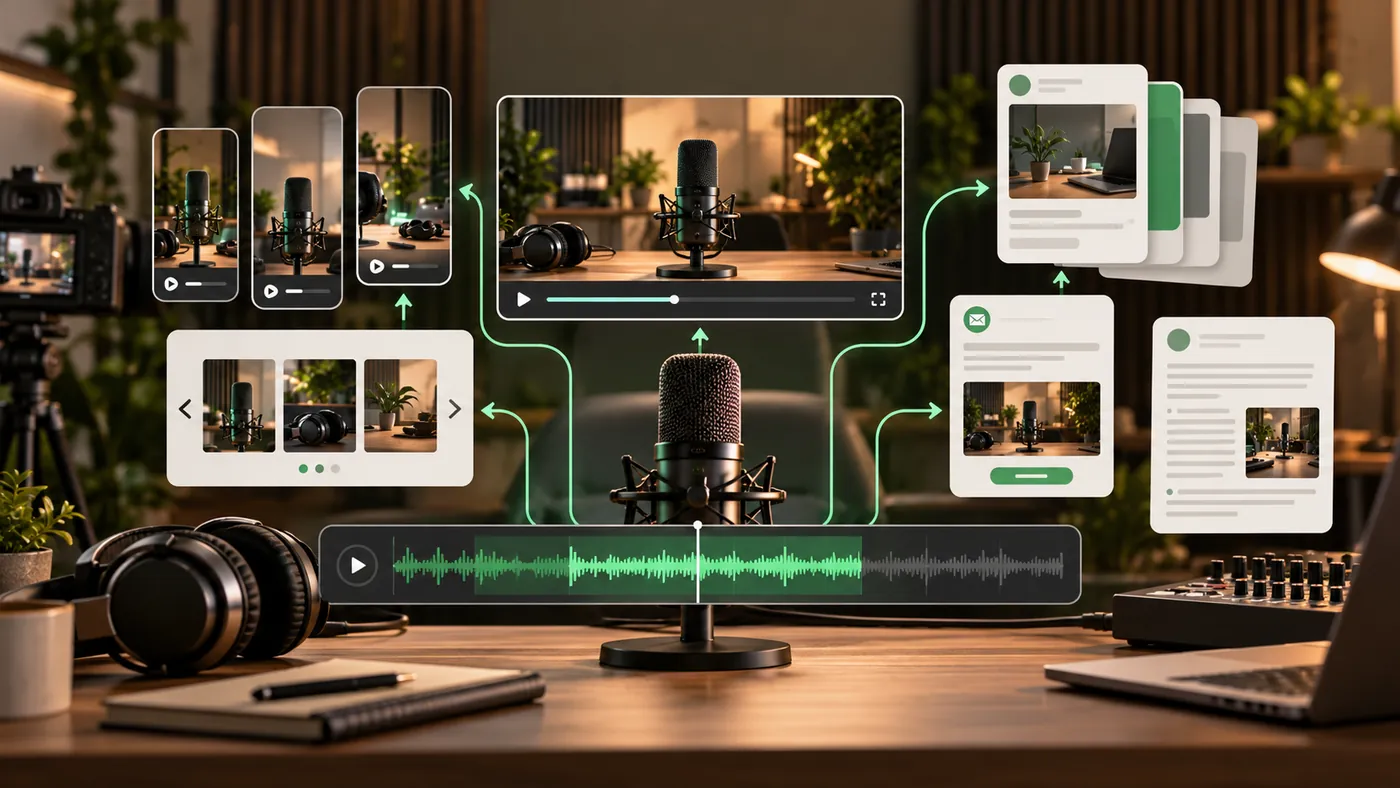
A TikTok-style UGC ad, a Meta feed ad and a YouTube placement should not all use the same cut.
Adjust:
- Aspect ratio
- Safe zones
- Caption placement
- Speed of the hook
- End frame
- Offer visibility
- Length
The goal is not just to re-crop the video. It is to make the ad feel native where it appears.
Create variations for testing
One ad rarely teaches enough. Create variations around:
- Hook
- Opening visual
- Product demo order
- Offer frame
- CTA
- Caption style
This gives the media buyer real creative signals instead of guessing why an ad won or lost.
The takeaway
UGC works best when it feels native but still sells clearly. The right edit turns casual footage into a structured performance asset.