Google Ads can bring someone to your website at the exact moment they are searching for help. But the campaign does not close the gap on its own.
The landing page decides whether that click becomes an enquiry, a call, a booking or another bounce.
Message match comes first
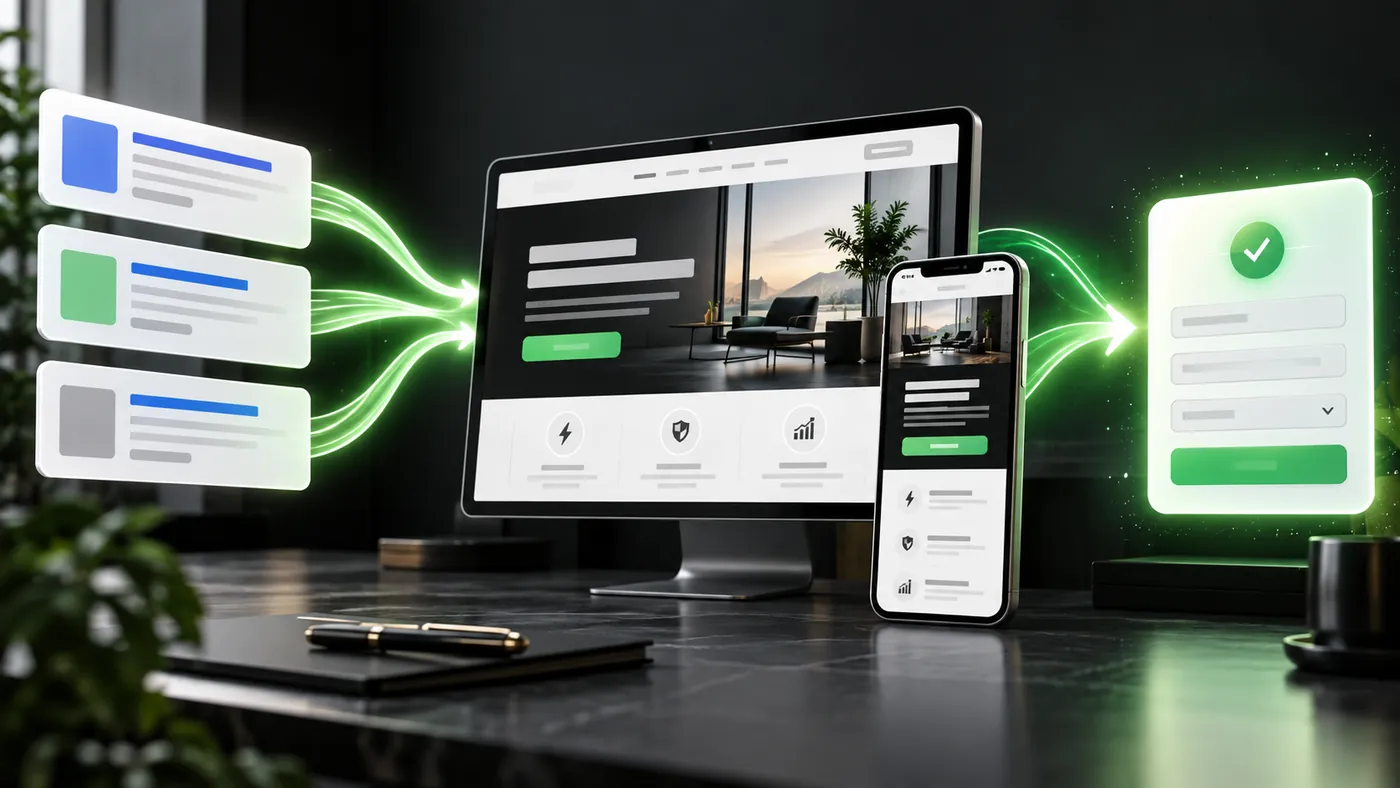
The page should immediately confirm that the visitor is in the right place.
If the ad says “Shopify development for beauty brands,” the landing page should not open with a generic “digital solutions” headline. It should continue the same promise, audience and service.
Good message match improves trust and often improves Quality Score.
Speed affects paid performance
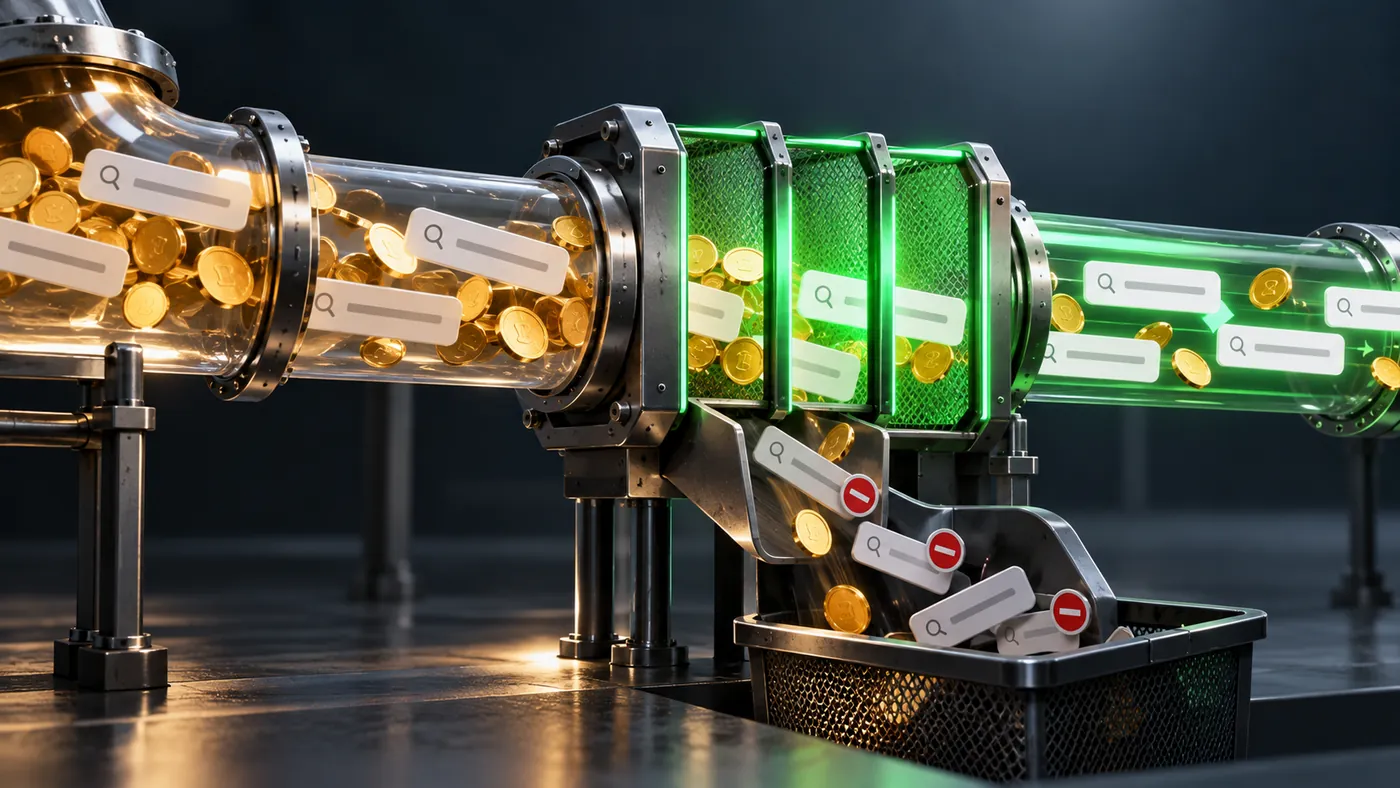
Every slow second costs money. Paid traffic is expensive, and mobile users do not wait patiently for heavy pages to load.
Speed improvements can affect:
- Bounce rate
- Conversion rate
- Cost per lead
- Quality Score
- User trust
Compress images, remove unnecessary scripts and keep the page focused.
The page should continue the promise the ad made.
The CTA should be obvious
A landing page should not make the visitor hunt for the next step.
Use one primary action:
- Book a call
- Request a quote
- Get an audit
- Start a project
- Call now
Secondary links are fine, but they should not compete with the main conversion goal.
Proof reduces risk
Visitors from search are often comparing options. Give them reasons to trust you.
Use:
- Case study numbers
- Testimonials
- Industry experience
- Process clarity
- FAQs
- Guarantees or ownership promises where appropriate
The goal is to answer the concerns that stop someone from converting.
Tracking must be tested
Before sending paid traffic, test every form, phone number, button and thank-you page. Make sure conversions are recorded in the ad account and GA4.
Without this, optimisation becomes guesswork.
The takeaway
A strong Google Ads campaign can only do part of the job. The landing page must continue the promise, load quickly, build trust and make the next step easy.